
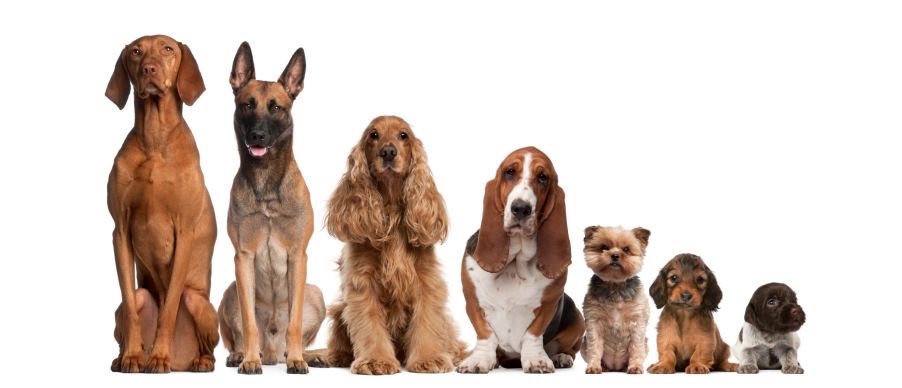
Dogs are beloved animals and arguably the most popular pet globally. In the modern world, there is a dog made for everyone— literally. Over 300 dog breeds are man-made, created through selective breeding (a.k.a artificial selection). People have the luxury of customizing their dogs to appear a certain way and inherit certain traits. But how does this affect the dog?
It may be true that initially dogs were bred to ‘maximize’ their capabilities, becoming better at hunting or guarding property. However, there is no reason to believe the continuous selective breeding of dogs has been beneficial to the animals themselves.
To look at selective breeding through a humane lens, does it not seem immoral to force two breeds to mate with each other for aesthetic appeal? Many dog breeds are forced to mate through selective breeding in order to achieve a desired trait, such as smaller sizes, different coat colour, longer snout, etc. The question of ethics is often overlooked between selective breeding in dogs, but if the same situation occurred with humans, people would surely find it strange.
The selective breeding process’s effects on dogs are similar to that of inbreeding in humans. Just as inbreeding causes a reduction of genetic variation amongst humans, artificial selection causes the same amongst dogs. This reduction of genetic diversity is harmful because it lessens a species’ ability to adapt and survive within its environment.
Additionally, the lack of genetic diversity makes these dogs susceptible to increased genetic mutations and physical disabilities. Such issues can be seen in numerous man-made dog breeds. For example, the flat faces of breeds such as bulldogs and pugs cause breathing problems because of their shortened air passages and ‘squished’ noses. Unnaturally small dogs, such as chihuahuas, often suffer from dislocated joints and heart problems. Many dalmatians are congenitally deaf/hard of hearing, meaning they are born fully deaf or with hearing loss. The list just continues from here and affects most artificially bred dogs.
Ultimately, selective breeding is more harmful to dogs than it is beneficial, and it is wrong for humans to treat these animals as a plaything to customize to their liking, actively ignoring the consequences.
 THE NORTH STAR