
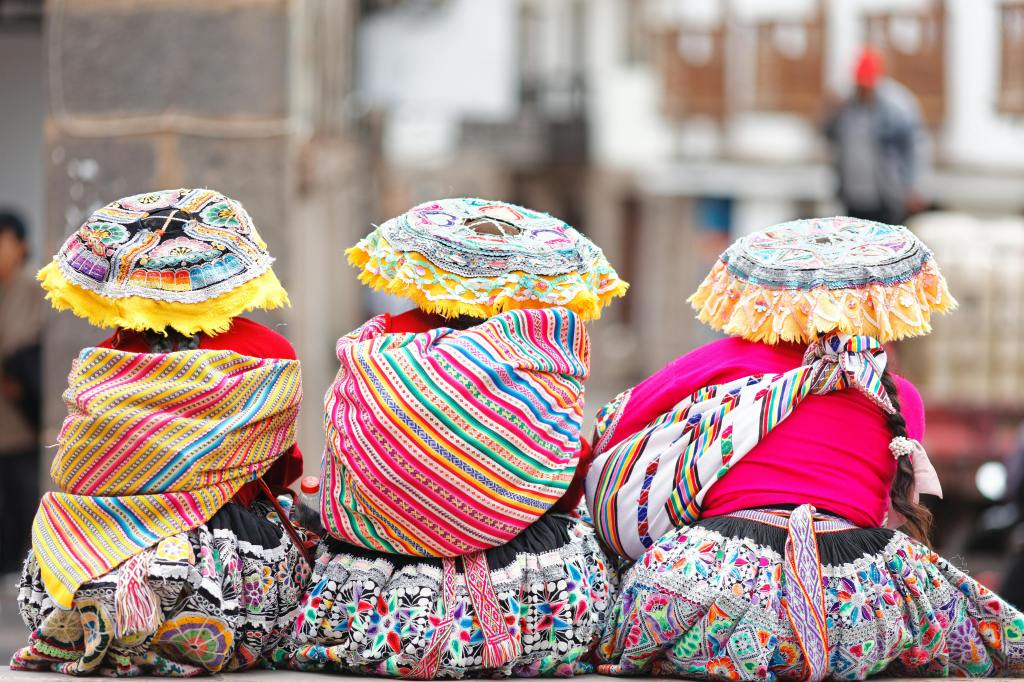
October is known to be the month of Halloween, but you may not know it’s also Hispanic Heritage Month. Is Hispanic culture accurately portrayed? Is it even represented at all? We interviewed 3 Hispanic students attempting to learn their perspectives on this culture.
When asked if they felt that Hispanic culture was represented as a whole, all students stated “yes.” However, when asked if they felt if their country was represented, only one student claimed that it was. The only student who partially felt that way was Cuban. When asked if she felt her country was accurately represented in the media, she replied, “I would say it is. I feel like sometimes they sugarcoat it and don’t show hard things in my culture […] they just show we love to dance and cook. But, not the hardcore stuff.” All students interviewed agreed that their countries were embellished as vacation destinations instead of showing the hardships they faced.
Each of these interviews entails the misconceptions about being Hispanic, and the lack of effort to understand people’s identities and cultures.
Despite these misconceptions and the lack of diverse representation, two students agreed that they felt somewhat connected to their culture because their families would find ways to incorporate their heritage into their lives. Another student, who is half Hispanic, said that her practices at home were predominantly Eurocentric, but she would occasionally learn about Hispanic traditions; such as quinceaneras. One student claimed, “My quince will be my first big cultural experience.”
When asked about the interviewee’s favorite aspects of their culture, many agreed that food was a major highlight. Pupusa and ropa vijeta, also known as “dirty clothes” were the favorite dishes in these student’s culture. Pupusa, a thick griddle flatbread stuffed with cheese and toppings of your choice, is an El Salvadoran and Honduran specialty. Ropa vijeta or “dirty clothes” is a traditional Cuban dish made of beef, rice and beans. These students all found common ground on appreciating their heritage while hoping for more representation in their communities.
As October progresses, all three students agreed that they wish to see their flags represented or more lessons on the history of their countries. They hope to see lesser-known Hispanic countries shown, instead of just the famous ones.
 THE NORTH STAR