
What the hell happened?
If you’ve seen the latest runway fashion, you can agree that the designers have been lacking in what makes their designs recognizable and impressive. The ability to be wearable, and the creativity that makes brands stand out from their competition. There is no way that they think that these designs are pieces of art, let alone any kind of runway fashion. What happened to the days of fashion that made sense?
Let’s start from the beginning…
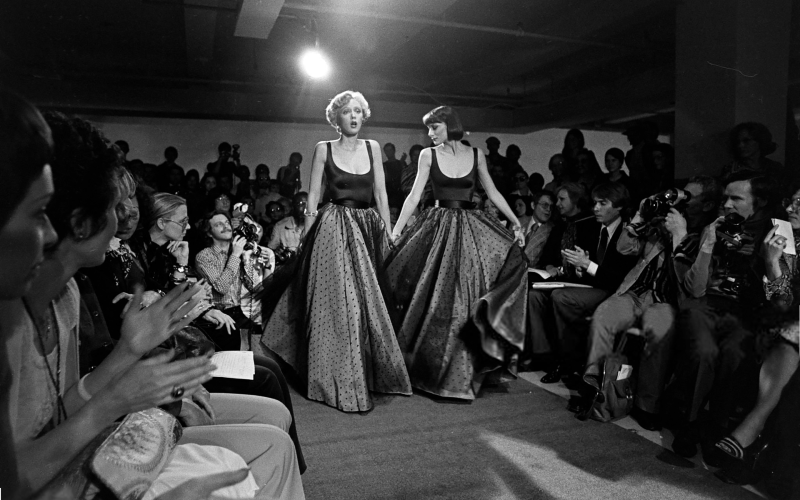
The New York Fashion week is a revolutionary time for people to go and express their style, and it is also a way for high fashion brands to showcase their pieces for the audience. The first New York Fashion Week was made in 1943 by Eleanor Lambert, who was the publicity director of the New York Dress Institute. Fashion week was made to give fashion consumers alternatives to French Fashion during WWII, when workers occupied in the fashion industry couldn’t make trips to Paris. The fashion industry was already blooming; however, this new idea would result in the rise of runway fashion.

The Rise
The rise of runway fashion started in the 1960’s, a time where mass consumerism started up, especially in America. Youth culture just came in, and fashion shows started to lose their traditional luxury form and needed a way to be different. Shows became more frequent and remarkable, and it stayed that way all the way into the 80’s, where art mingled with fashion.
The Peak
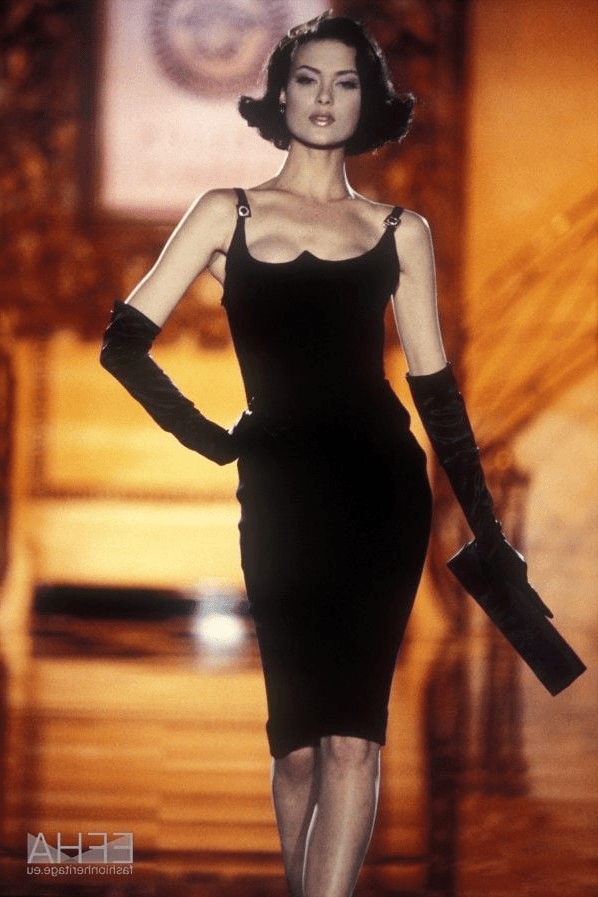
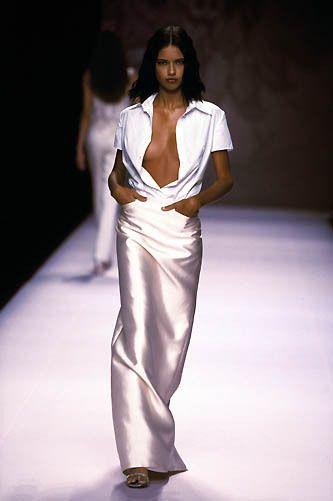
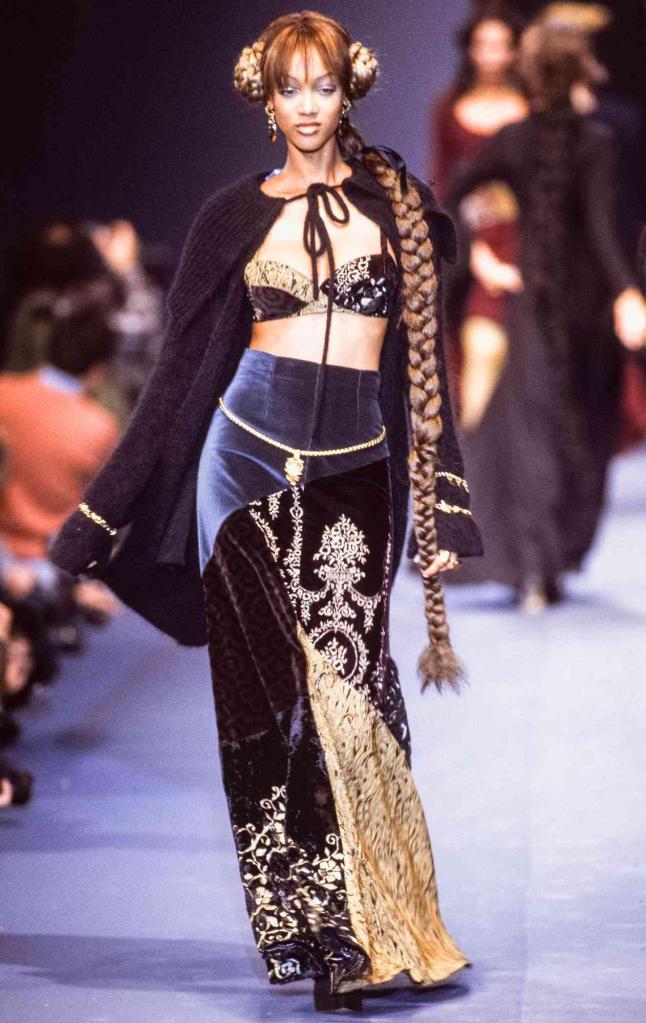
Runway fashion was at its peak in the 90’s and 2000’s, where designers such as Versace, Chanel, Alexander McQueen and Victoria’s Secret were popping off in the scene. During these times, models were seen as goddess-like figures, and everyone admired them. This is what made them so influential in the fashion scene, and why the industry was profiting so much. Figures like Adriana Lima, Giselle Bundchen and Tyra Banks were creating waves, and their innovation and poise is why so many female consumers splurged on clothes at the time. This time was truly the best era for runway fashion, people were cheering and clapping for the models, and the outfits were revolutionary for it’s time. It was creative beyond levels possible, which is what truly made it so entertaining.
The Fall
Technology Advancements…How did it affect fashion?
The fall of fashion came around the 2010s, where the fashion industry experienced a huge shift, especially with technology advancements. With the internet, the focus on physical magazines and viewing runways changed, and instead, social media and websites such as Pinterest, Amazon and Instagram came about, helping individuals see the same things, except for free. Soon enough, almost everyone shifted to the new format, and revenue made off of magazines and tickets for runways dropped. This affected runway fashion tremendously, since people no longer needed it for inspiration and catalog.
The wacky and wild parts of fashion
Recently, designers have been experimenting with clothing, however, their creativity received backlash from the audience. Runway fashion used to represent the brand and what kind of clothing it sells, which helps viewers not only relate to the brand, but also find clear inspiration for outfits. However, in recent years, runway models have been receiving more “clothing” to wear that resembles less of something that can be worn on the daily, and more like something seen at modern art galleries. Many people see this new era of runway fashion as they see new visual art pieces. Complete and utter trash. The relatability that viewers used to have with the brand has been crumbling, and runway fashion has stopped being about showing catalogue, and more like making art. This could’ve been executed nicely; however, the pieces look cheap and tacky. Runways are now only known for the celebrities that attend them, and its clear that there will be a clear decline for runway fashion in the future.

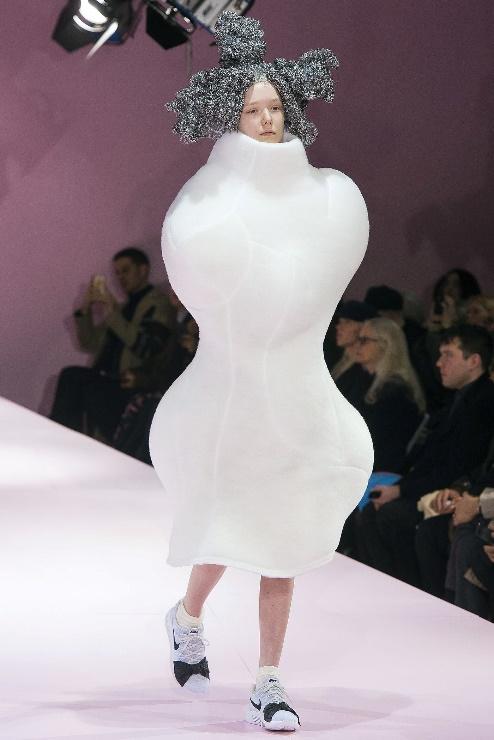
In conclusion, nobody knows where the future of the runway fashion industry will end up, however, if they keep going down the path that they are going, the avant-garde approach will cease to give the brands a positive light.



 THE NORTH STAR