
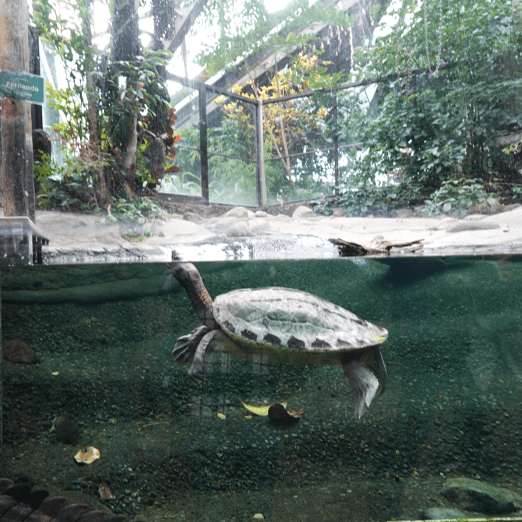
On November 8th, 2024, North Park science classes visited the Toronto Zoo. It was an incredible opportunity to learn about the wildlife in a dynamic setting. The trip allowed each person to explore the zoo at their own pace and focus on areas they were curious about visiting.
First was the African Savanna exhibit, which was home to beautiful animals such as African Lions, Masai Giraffes, and Grevy’s Zebras. Analysing these creatures in these enclosures that are designed like their natural habitats helped us connect with our classroom knowledge on adaptations to real-life examples.
Next was the Tundra Trek. It is a very fascinating area that showcases species like Polar Bears and Arctic Wolves. These animals live in environments that are very different from Ontario, so it gives us a unique perspective on how these species adapt to these extreme climates. Reading the information on the boards helped inform us on the effects on climate change in Arctic regions.
The Indo-Malaya Pavilion was a highlight for many on the trip. Seeing the Orangutans swing in their closures showed their intelligence and adeptness. The adorable White-Handed Gibbon also caught the attention of many. A standout was visiting the Americas Pavilions, which mimicked a rainforest ecosystem. Inside it were tropical birds, reptiles, and amphibians. The Massasauga Snake, Capybara and Panamanian Golden Frog were also very fascinating.
The Canadian Domain gave a glimpse into the wildlife native to Canada, The Grizzly Bear was immense in size, and had very thick fur. The American Moose grazed around, and their antlers were very prominent. These animals showcased the beauty of Canadian wildlife. Lastly, in the Eurasia Wilds section, it felt like we were in the forested regions of Asia. The Amur Tiger was absolutely huge, and had beautiful orange and black stripes. The Red Panda also caught the attention of many people, with its playful personality and fluffy, rust-colored fur.
The zoo also provides many opportunities for independent learning. There were many informational signs and interactive displays that explained things such as the diet and habitat of many animals. Another great aspect about this trip was the zoo’s emphasis on endangered species. These conversations made students remember the importance of protecting these endangered species.
When interviewing a student, Simarpreet Khangura, we asked her what her favourite part of the trip was, which she replied with, “Definitely seeing the giraffes eating from the leaves in the African safari. It really showed how their adaptations work.” And when asked what she thought about how this trip changed her perspective on wildlife, she said, “It made me realise how important it is to protect animals, especially after learning about endangered species.”
In conclusion this trip to the Toronto Zoo was more than just a field trip. It was a chance to see species in action. Everyone left with a better appreciation of the natural world and as well as the role we need to play in protecting it. The knowledge we gained will allow us to have a deeper knowledge in our scientific studies, as well as be more mindful of our planet’s future.
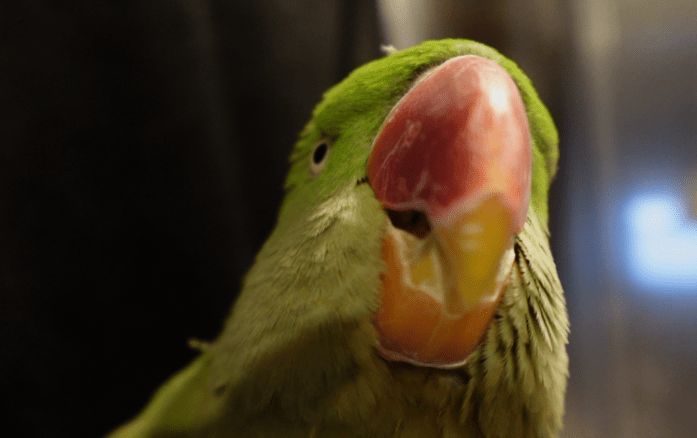
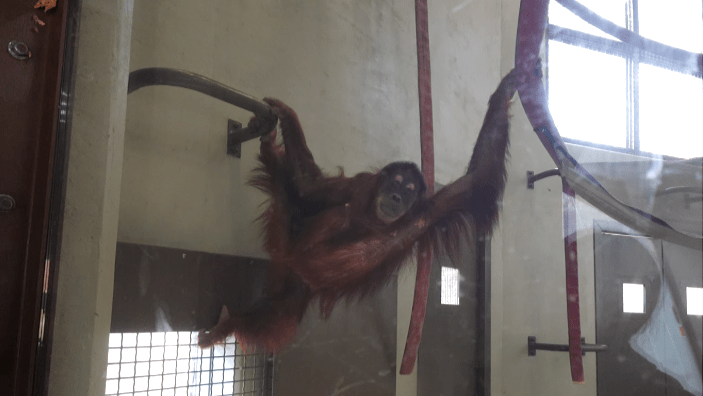
Photo Credits To: Resa Gildberry




 THE NORTH STAR