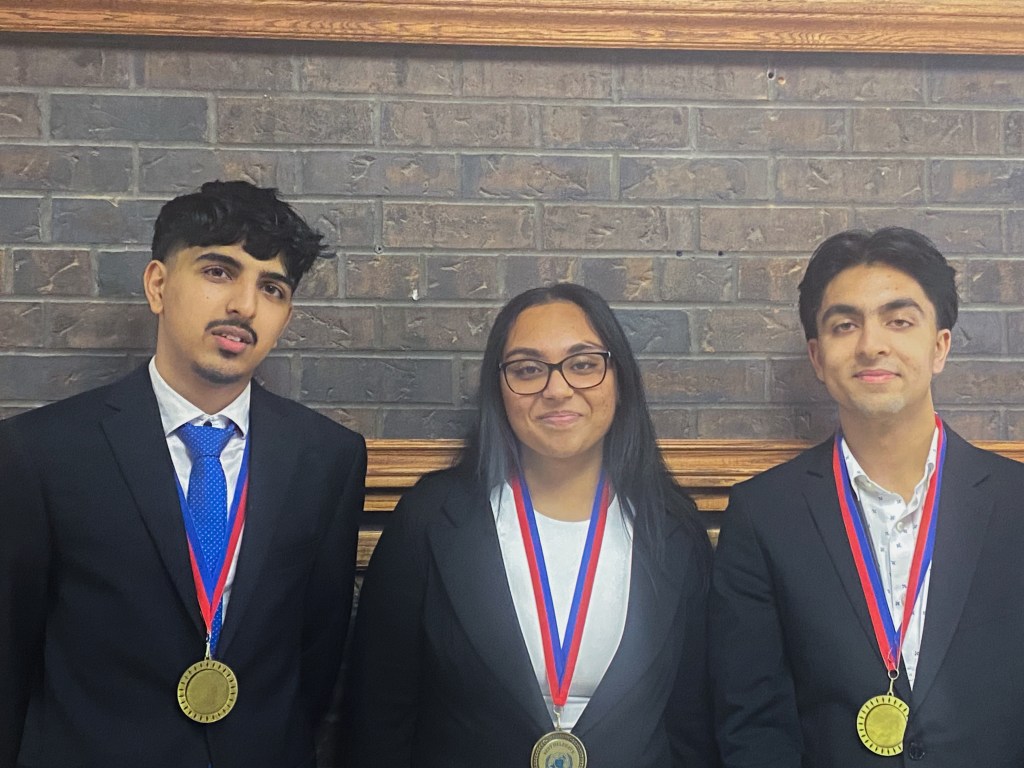
What began as a health awareness project quickly became one of the most meaningful experiences we have had as students at North Park Secondary School. Through our HOSA cardiomyopathy community awareness campaign, we learned that creating change does not always require large platforms – sometimes it starts with conversations, creativity, and showing up for others.
As we researched cardiomyopathy, we realized how little it is talked about, especially among young people. We learned that it is a condition affecting the heart muscle and that early awareness can help people make informed decisions about their health. Rather than focusing on worst-case scenarios, our goal was to help others understand the importance of recognizing symptoms, maintaining healthy habits, and knowing when to seek medical advice.
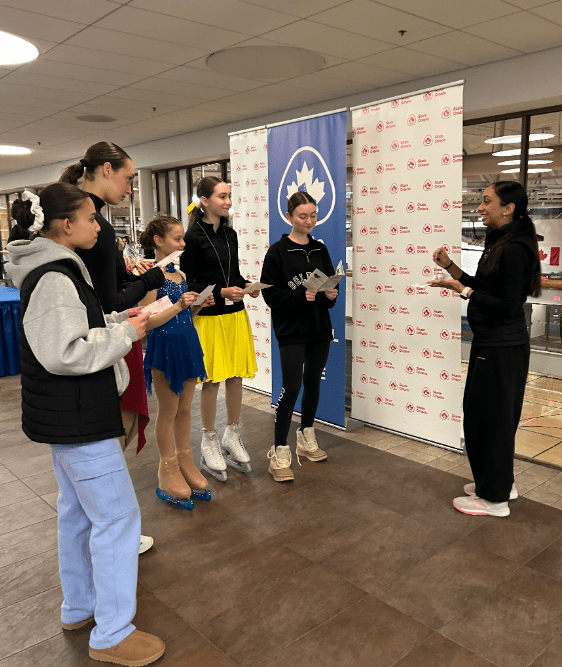
One of the most meaningful parts of our campaign was our outreach at a local figure skating competition. Speaking with skaters and families helped us understand how valuable it is to bring health education directly into spaces where youth gather. Many families were interested in learning how heart health connects to overall wellness and appreciated having the opportunity to ask questions in a relaxed, supportive environment. This experience showed us that awareness can feel encouraging rather than intimidating when it is shared through open conversation.
Another defining moment of our campaign was the Exam Arts and Crafts event held at our school. During the busy exam season, we wanted to create a space where students could both learn and unwind. After a short presentation on cardiomyopathy, students made handmade cards for hospital patients. Writing kind messages reminded us that awareness is not only about sharing information, but also about showing empathy. Donating those cards made the impact of our work feel personal and meaningful.
Throughout the campaign, each of us gained a new perspective. One of us became more aware of how easily health concerns can go unnoticed and the importance of paying attention to early signs. Another learned how family history and genetics can influence health, emphasizing the value of open conversations at home. Another saw firsthand how simple, respectful conversations can help educate others and spark genuine interest.
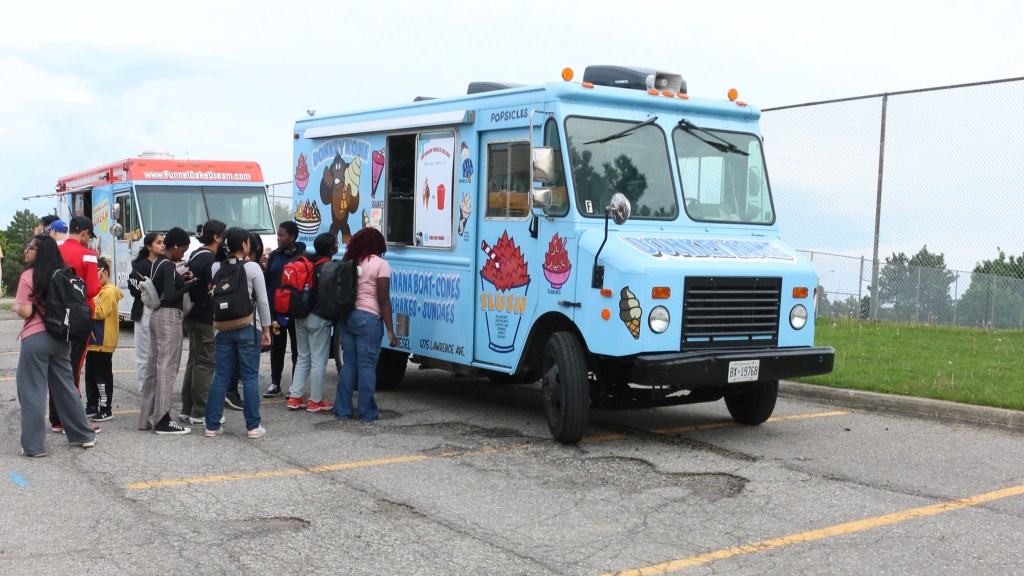
Beyond school, we extended our efforts through community fundraisers, interactive awareness displays, and social media outreach. These initiatives allowed us to reach people of different ages and backgrounds while keeping our message positive and accessible.
This project taught us that awareness does not have to be overwhelming to be effective. By focusing on education, empathy, and community engagement, we were able to make a difference while encouraging others to take an interest in heart health. Most importantly, it showed us that students can create meaningful change when they lead with care.
 THE NORTH STAR